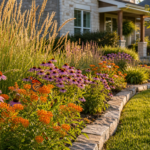
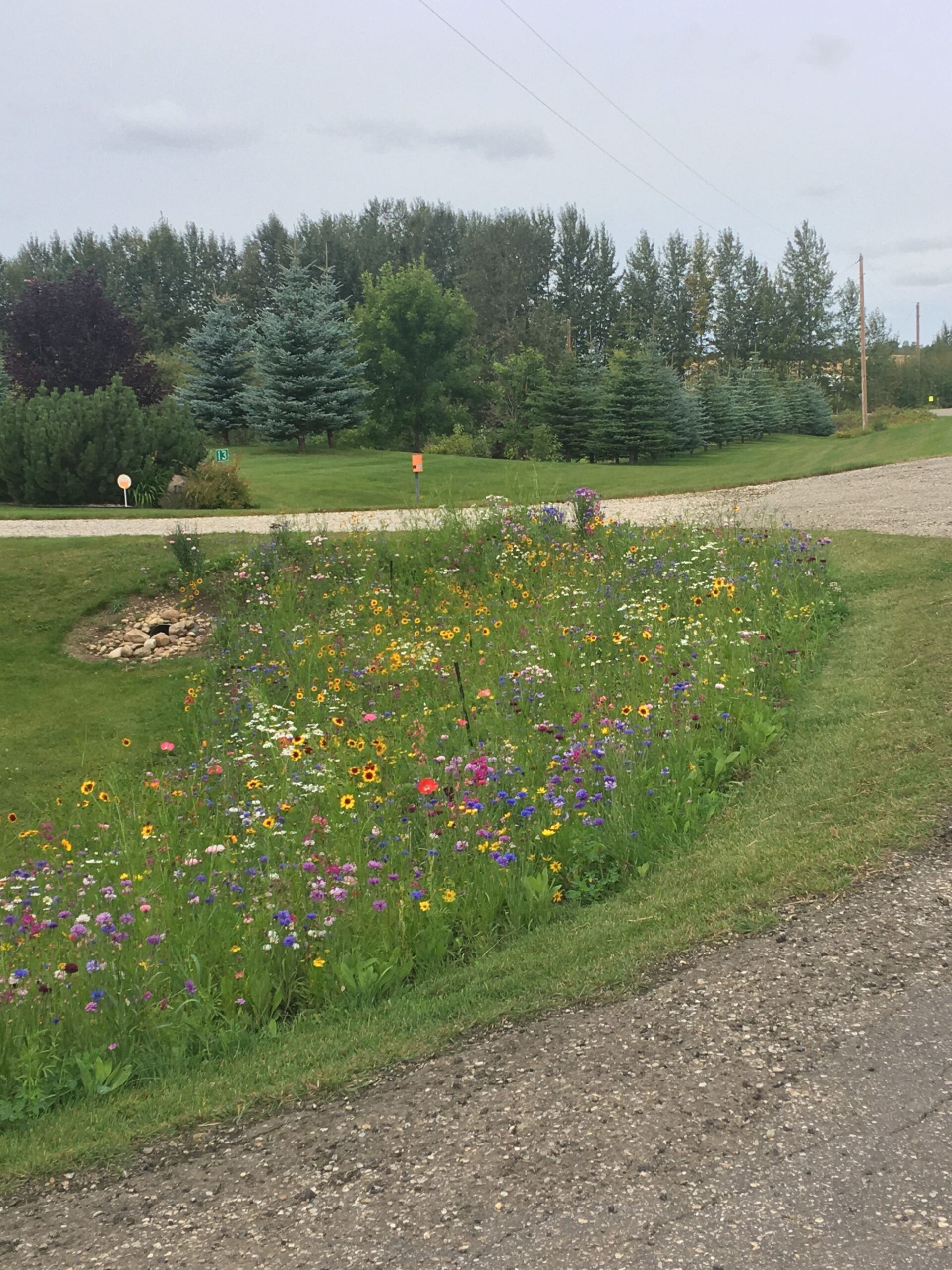
 Beauty is in the eye of the beholder, so the proverb goes. Recently I had my eyes opened to how true this statement is in so many aspects of life. My family has a well-manicured lawn like the majority of us. A nearly perfect pasture of green, well at least from 50ft away it looks so or so I tell my father. From the covered back porch, we would sit at family gatherings and look out at the backyard, and the pasture beyond which was regularly mowed by the previous owner for years. Beyond that was the tree line looking like the edge of a deep forest. It really was a peaceful setting amid town. At family get togethers we inevitably end up sitting outside and enjoying it even on chillier days. Recently though, the pasture beyond their backyard changed hands, and the older gentleman who would mow it on the regular no longer did so. Over the course of two years, it began to rewild, False sunflower and bluestem, golden rod and wood sorrel, all mixed together at different heights and textures amongst the fescue that used to dominate that pasture. Diversity was returning and transforming the space. Recently, I thought it was the unusually warm weekend after Christmas, we were sitting out on the back deck, and I was admiring the variety of species all working together to make a complex web of plant life that was supporting overwintering birds and rabbits and the occasional whitetail passing through. Greys, browns, blues, burnt umber and tans all in mottled mounds, the occasional cardinal flitting in and out of the brush adding a splash of vivid red, a muted color pallet but nonetheless more variety than a monoculture of k32 fescue. I said to my family “it really is pretty even in the winter, to which they replied, I suppose it is good for the wildlife, but I liked it more when it was mowed. It caught me off guard and gave me pause to think. I thought you know there was a time when I would have agreed, but over the years working in the green industry and furthering my natural education my perspective of beauty had changed. I didn’t see weeds or overgrown brush, I had at some point along the way begun to see the individual plants by their names, and how they worked together to help improve soil conditions, increase rainfall absorption and drought tolerance, and provide for pollinators and wildlife. I was seeing the young buds that would turn into bright yellow flowers, the foliage that was a vital food source for caterpillars that would one day be monarchs and swallow tails. Last but not least I was seeing the seeds of all these plants that would be carried off by the wind or wildlife to be planted elsewhere, maybe another field that was no longer regularly mowed and could return to native prairie, or perhaps a small patch of suburban front yard that had been renovated into a patch of wildflowers and swaying grasses, that bordered a well-manicured green yard, just as the backyard at my families house did with the field behind them. As stewards of the land we live on I think it’s important to remember that while our perfectly kept green grass is beautiful, there is another type of beauty that we should not forget, that provides food, home, and shelter for all. If you’re interested in adding a small pollinator, wildflower, or food crop patch to your existing yard that adds another layer of beauty to enhance what you already have, reach out to us here at 4T and we would be happy to assist you in creating your very own tiny oasis of color and life.